When the Dutch Institute for Vulnerability Disclosure (DIVD) became the target of a cyberattack in September, the organisation suddenly found itself on the other side of the work it normally does. Known for identifying vulnerabilities and helping others stay secure, DIVD now had to deal with an incident of its own. Behind the technical response was a team of volunteers facing difficult decisions, long nights and the pressure of keeping everyone informed.
During ONE Conference in The Hague on 7 October, DIVD volunteers Marieke Rijken, Roxane Kortland and Mischa Rick van Geelen shared their experiences with the cybersecurity community. Following their presentation, we spoke with Roxane and Marieke to explore the human side of the crisis, their approach to communication and what other organisations can learn from it.
When the crisis became real
The first signs that something was wrong appeared on a Tuesday evening. By Wednesday morning, DIVD was putting together a crisis management team. Roxane, DIVD's Head of People and Culture and one of its crisis managers, was at home with the flu when she received the call. She had already heard about unusual activity the evening before, but it was now clear that the situation required a coordinated response.
At DIVD, Roxane normally looks after the volunteers, helps people settle into the organisation and makes sure the different teams are functioning well. Or, as she jokingly described herself during our interview: "I think I am just the mother of hackers."
When the crisis began, that responsibility suddenly became much bigger. One of her first decisions was to bring Marieke, who was responsible for communications during the incident, into the crisis team. From her experience in crisis management, Roxane knew how easily communication can be overlooked when everyone is focused on the technical problem. By the time organisations consider what to tell people, rumours and uncertainty may already be spreading.
While the incident response team worked to contain the attack, others focused on keeping volunteers informed, coordinating decisions and managing communication with the outside world. Both sides needed to work closely together from the beginning.
Choosing transparency, even when it feels uncomfortable
For DIVD, openness and honesty have always been important values. The team felt those principles should not suddenly change because the organisation itself had been attacked. They decided to communicate as openly as possible, even while the investigation was still ongoing and not every question had an answer.
Putting that into practice was not always easy. The team had to consider which information could safely be shared without interfering with the investigation. Rather than waiting until everything was clear, they communicated what they knew and let people know when further updates could be expected.
An important part of this approach was informing volunteers before communicating externally. DIVD relies on a large community of skilled volunteers, many of whom naturally wanted to investigate the incident themselves. As one of the interviewees put it: "We communicated about a hack to a group of hackers and asked them to sit on their hands."
Instead of jumping in to investigate, the volunteers were asked to leave the technical response to the dedicated team. In return, they received regular updates, opportunities to ask questions and information before it became public. It required trust on both sides, but according to Roxane and Marieke, it worked remarkably well.
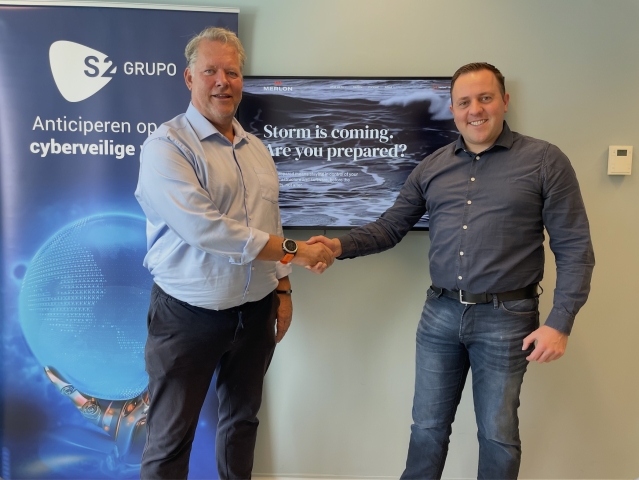
Their open communication helped limit speculation from journalists and brought an encouraging response from the cybersecurity community. People reached out to offer help, support and expertise. Among them was Merlon Security, whose team supported DIVD during the incident response. Mischa, who serves as a volunteer CISO at DIVD and is Managing Director of Anovum, later highlighted their contribution following ONE Conference. It was a practical example of how valuable relationships within the cybersecurity community can become when an organisation needs help.
The people behind the incident
Managing a cyber crisis involves much more than technical decisions and public updates. Behind DIVD's response were volunteers who still had regular jobs, families and personal responsibilities. Some worked through the night, while others struggled with the frustration of seeing their usual vulnerability research interrupted because systems had been taken offline.
The pressure affected everyone differently. Roxane and Marieke spoke openly about exhaustion, emotional moments and how difficult it can be to look after yourself when others depend on you. Roxane was balancing her responsibility for the volunteers with leading the crisis response. During ONE Conference, she also shared how the pressure eventually became too much after a week and how important it was to have another crisis manager who could step in.
There is a rather ironic story behind this. Just weeks before the attack, Roxane had recorded an episode of CISO praat with Fleur van Leusden about cyber crisis management. One of the things she emphasised was the importance of looking after yourself during a crisis. When DIVD was attacked, she found herself struggling to follow that very advice. "The first thing I forgot was taking care of myself during the crisis," she admitted.
It was a reminder of just how difficult these situations can be, even for experienced professionals. The team made an effort to support one another, create space for difficult conversations and recognise the sacrifices made by volunteers and their families.
They also reflected on the neurodiversity within their crisis management team. Different ways of thinking and processing information proved valuable when several complicated situations needed attention at once. Despite the difficult circumstances, the experience brought the team closer together and showed how much they could achieve by trusting and supporting one another.
What other organisations can learn
For the wider cybersecurity community, DIVD's experience raises an important question: how prepared are organisations for the moment something actually goes wrong?
DIVD works with cybersecurity every day and had extensive security measures in place, yet it still became a target. For Roxane and Marieke, this reinforced the importance of preparing not only to prevent incidents, but also to respond and recover when they happen. Who takes charge during a crisis? Who communicates with employees and partners? And has anyone actually tested whether the organisation can recover its data from a backup?
But perhaps the most important lesson was about how organisations treat themselves and others after an incident. Both interviewees stressed that being attacked should not be a source of shame. Blaming colleagues or turning against one another does little to help an organisation recover.
"Just own it. Don't be ashamed," Marieke said towards the end of the conversation.
DIVD hopes to share further findings from the incident so other organisations can learn from its experience. There is also a close connection to HSD Campus. Marieke is Co-Founder and COO of ADVERSIQ, while Mischa leads Anovum and is CEO of ADVERSIQ, both based on the campus. Roxane also works as a programme manager at I-Interim Rijk/ODI, which has an office at HSD Campus. Merlon Security, which supported the response, is part of the wider HSD network. DIVD itself is an independent foundation and a partner of Security Delta.
For Roxane and Marieke, sharing their experience is another way of helping others prepare. And as their story shows, knowing when to ask for help can be just as important as knowing how to respond.